
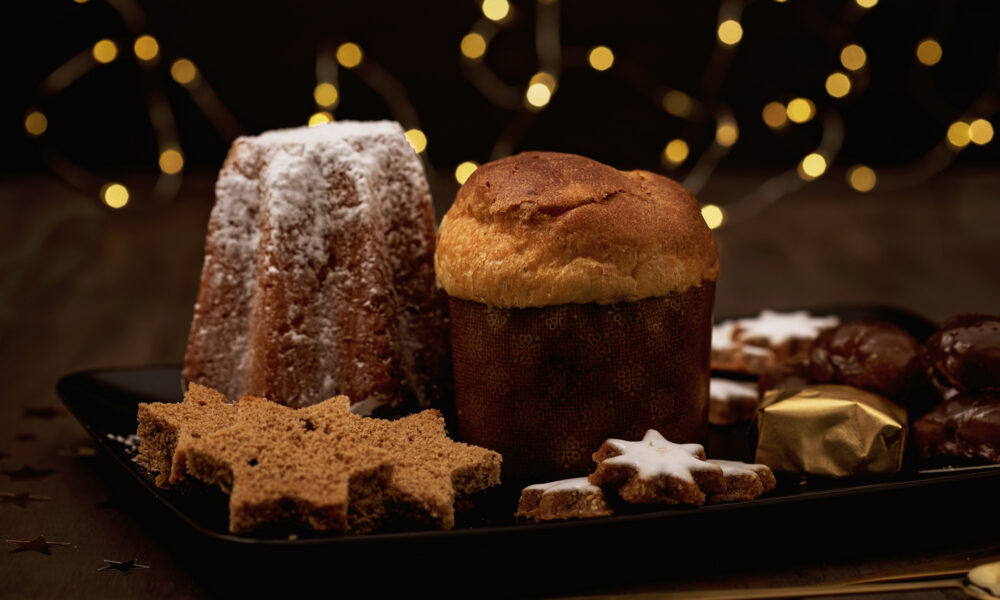
Italy’s two most famous holiday cakes have been the centerpiece of families, friendships and tables for more than a century during the festive season. One is a towering dome studded with candied citrus and raisins. The other is a golden, eight-pointed star hiding under a snowfall of powdered sugar.
Here in the States, the confusion usually happens in the markets, where shoppers stand in front of a wall of tall, colorful boxes trying to figure out which is which. So, before the holiday rush hits your shelves, let’s figure out the difference between panettone vs. pandoro once and for all: where each cake comes from, how it’s made, how to serve it, and the five brands we’re bringing in this season to help your customers pick their favorite.
What Is Panettone? Milan’s Tall Tale
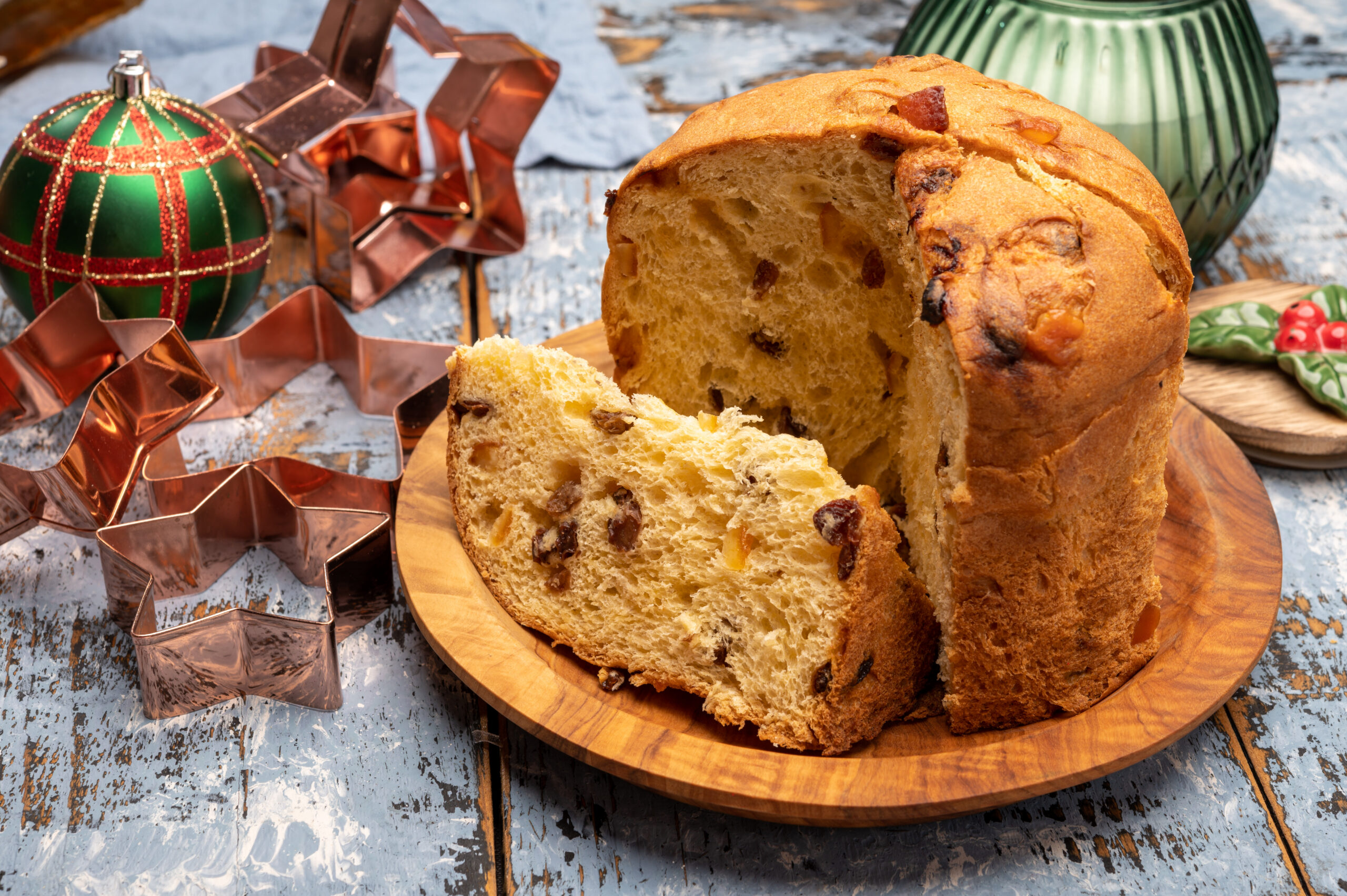
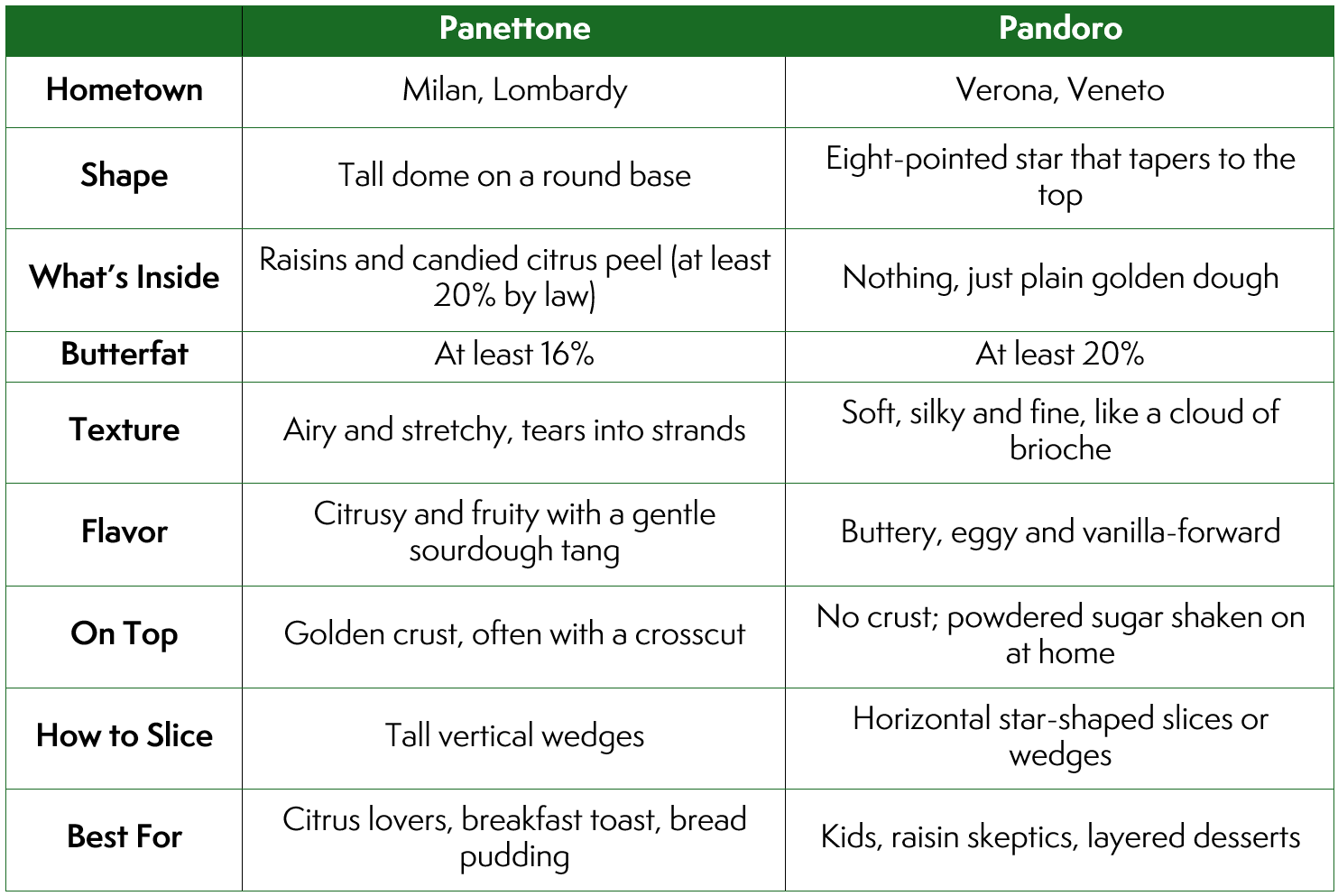
Panettone (pah-neh-TOH-neh) is Milan’s Christmas cake, and in Milanese dialect the name simply means “big bread.” A classic panettone is a towering golden dome of naturally leavened dough, studded with raisins, candied orange and citron, while being so light it pulls apart in soft, feathery strands.
Like most great Italian foods, it comes with a legend passed down through time. The most famous one is set at the 15th-century court of Ludovico Sforza in Milan: the head cook burned the Christmas dessert and a kitchen boy named Toni saved the day with a sweet loaf he had made from leftover flour, butter, eggs, candied citron and raisins. The court loved it, and “pan de Toni” was born. (There’s also a version starring a lovestruck nobleman. Food historians consider both pure legend, but we’ve never let a little baloney get in the way of a good story.)
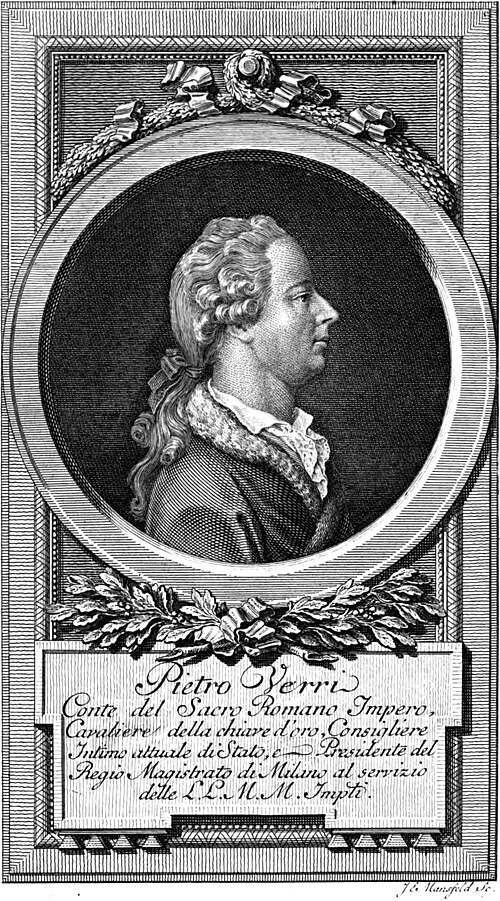
The paper trail is a little less romantic. The oldest solid record comes from the Collegio Borromeo in Pavia, where a December 1599 expense list includes butter, raisins and spices sent to the baker to make Christmas loaves for the students. By the 18th century, Milanese writer Pietro Verri was calling it “pan de ton,” or luxury bread, and for a long time that’s exactly what it was.
Then came Angelo Motta. In 1919, the Milanese baker let his dough rise three times for over nearly 20 hours and wrapped it in a paper collar so it could climb, giving panettone the tall dome we know today. A rival, Gioacchino Alemagna, followed a few years later, and the competition between the two turned a pastry-shop luxury into a holiday staple for all of Italy.
Italy takes all of this seriously enough to have written it into law. Under a 2005 ministerial decree, anything sold as panettone in Italy must rise on a natural sourdough starter and contain at least 16% butterfat and at least 20% raisins and candied citrus peel. After baking, each cake is skewered through the base and hung upside down to cool so the dome doesn’t collapse under its own weight. Yes, Italy’s most famous cake spends its first hours of life hanging like a bat. (Want the full behind-the-scenes? Revisit our earlier post, Panettone: Crafting the Italian Cake.)
What Is Pandoro? Verona’s Golden Star
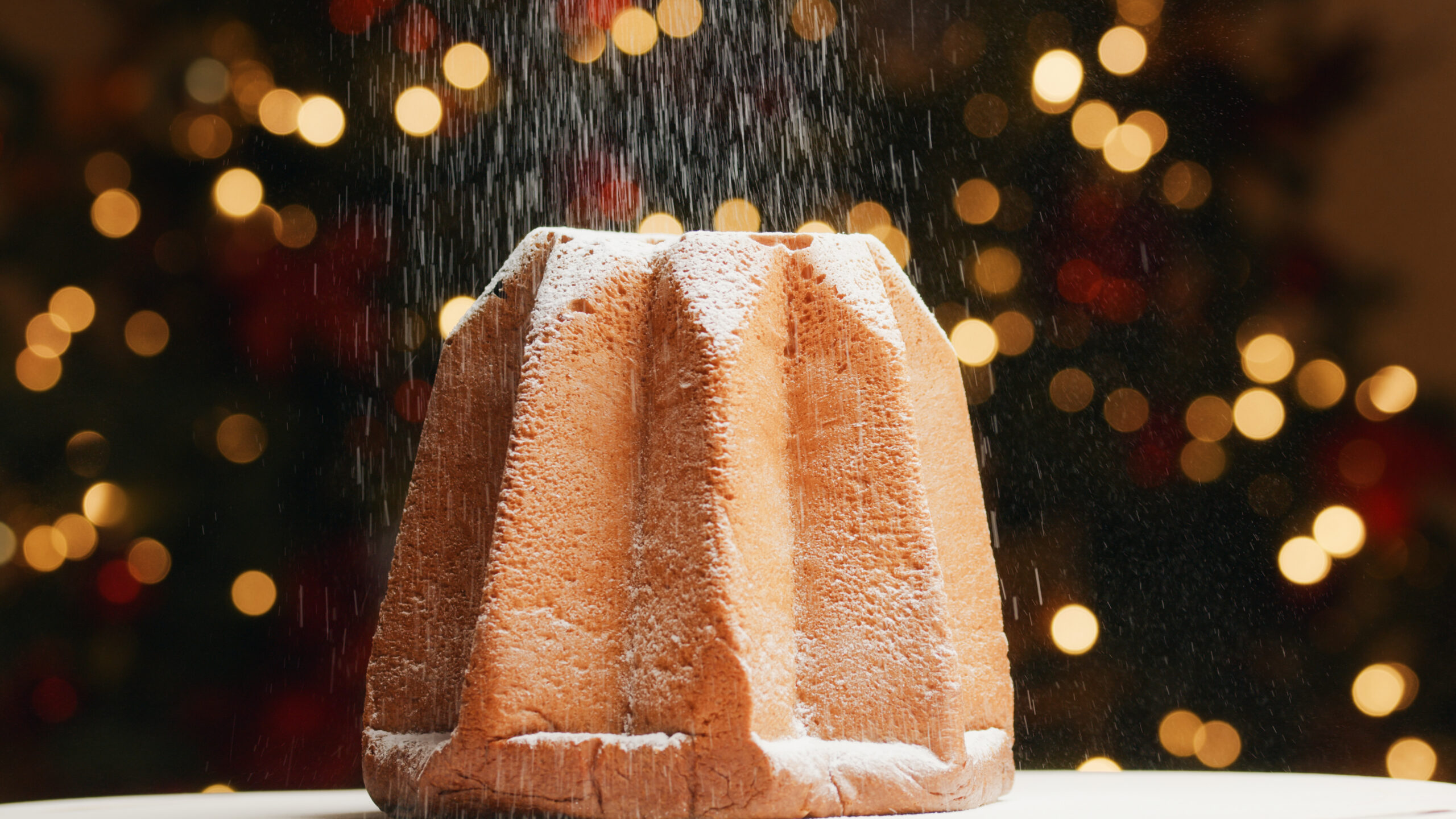
Pandoro (pan-DOH-roh) means “golden bread,” and one slice explains why. Where panettone is all dome and fruit, pandoro is a tall, eight-pointed star of rich, buttery dough with a sunny yellow crumb and nothing mixed in. There’s no raisins, no candied peel, nothing to pick out for all the picky eaters out there. Just butter, vanilla and a cloud of powdered sugar.
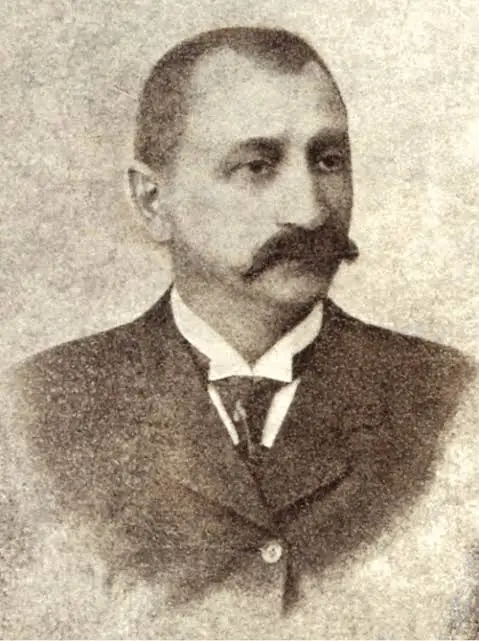
Verona had been baking a flatter, star-shaped Christmas sweet called nadalin for centuries, and Venetian aristocrats liked to show off at banquets with “pan de oro,” or bread dressed in actual gold leaf. On October 14, 1894, a Veronese pastry maker named Domenico Melegatti took that tradition, pumped the dough so full of butter, eggs and air that it needed a mold just to hold its shape, and filed a patent on the result.
For the mold, Melegatti went to an artist. Impressionist painter Angelo Dall’Oca Bianca designed the eight-pointed star, and it has been the cake’s signature ever since. As the family story goes, the name came from a shop boy who watched the first slice being cut in a beam of sunlight and blurted out that it was a real “pan de oro.” (We suppose a lot of names might just come from little boys who can’t stay quiet.)
The same 2005 decree that governs panettone is just as specific here: a soft, naturally leavened cake shaped like a truncated cone with an eight-pointed star cross-section, no hard crust, a fine, silky crumb and an aroma of butter and vanilla. The butter bar is even higher than panettone’s, at a minimum of 20% butterfat.
Panettone vs. Pandoro: The Key Differences
Here’s the short version for your team, or for any shopper standing in your aisle looking confused:
How to Serve Panettone and Pandoro
In Italy, panettone can show up at breakfast with a cappuccino, in the afternoon with an espresso, and after dinner with a glass of fruity, white wine. Cut it in tall vertical wedges and warm it for a few minutes to wake up the butter.
Pandoro is the showpiece, so slice it horizontally into star-shaped layers, then stack them with each star turned slightly so the points fan out, and you have a Christmas tree on a plate. Top it with a final snowfall of powdered sugar, and tuck berries or a little mascarpone cream between the layers if you’re feeling fancy.
As for leftovers, there’s no such thing as stale panettone or pandoro. There are only ingredients for the next recipe:
- Panettone French toast: Thick slices dipped in custard and griddled in butter and you’ll never go back to making it with white bread anymore.
- Panettone bread pudding: Cubes baked in a vanilla custard, which also makes a great seasonal item for the prepared foods case.
- Pandoro tiramisu: Swap the ladyfingers for pandoro slices brushed with espresso, then layer with mascarpone cream and a dusting of cocoa.
- Toasted and buttered: A slice of either one, toasted and topped with good butter, is the most underrated breakfast to keep your friends, family, and neighbors festive in the morning.
The Panettone and Pandoro Brands
This year’s lineup covers every corner of the debate, from Milan’s hometown panettone house to the company that invented pandoro, plus a wild card from Sicily.
Vergani: Milan’s Hometown Panettone
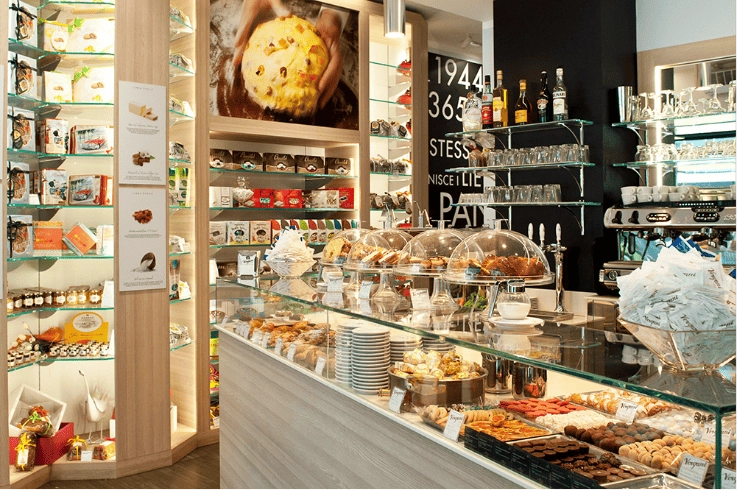
Angelo Vergani opened his pastry shop on Milan’s Viale Monza in 1944, and four generations later the family is still baking in the city. Vergani is the last major brand that still makes the original Panettone di Milano in Milan itself, and in 2014 the city honored the company with its Ambrogino d’Oro civic award. Every panettone still starts from the same mother dough Angelo created in 1944, refreshed three times a day, every day of the year, and each one takes three days to make. In 2018, the family even helped the Lombardy region define the standards for “Panettone di Milano” as an official traditional product.
Partanna: A Sicilian Twist on Panettone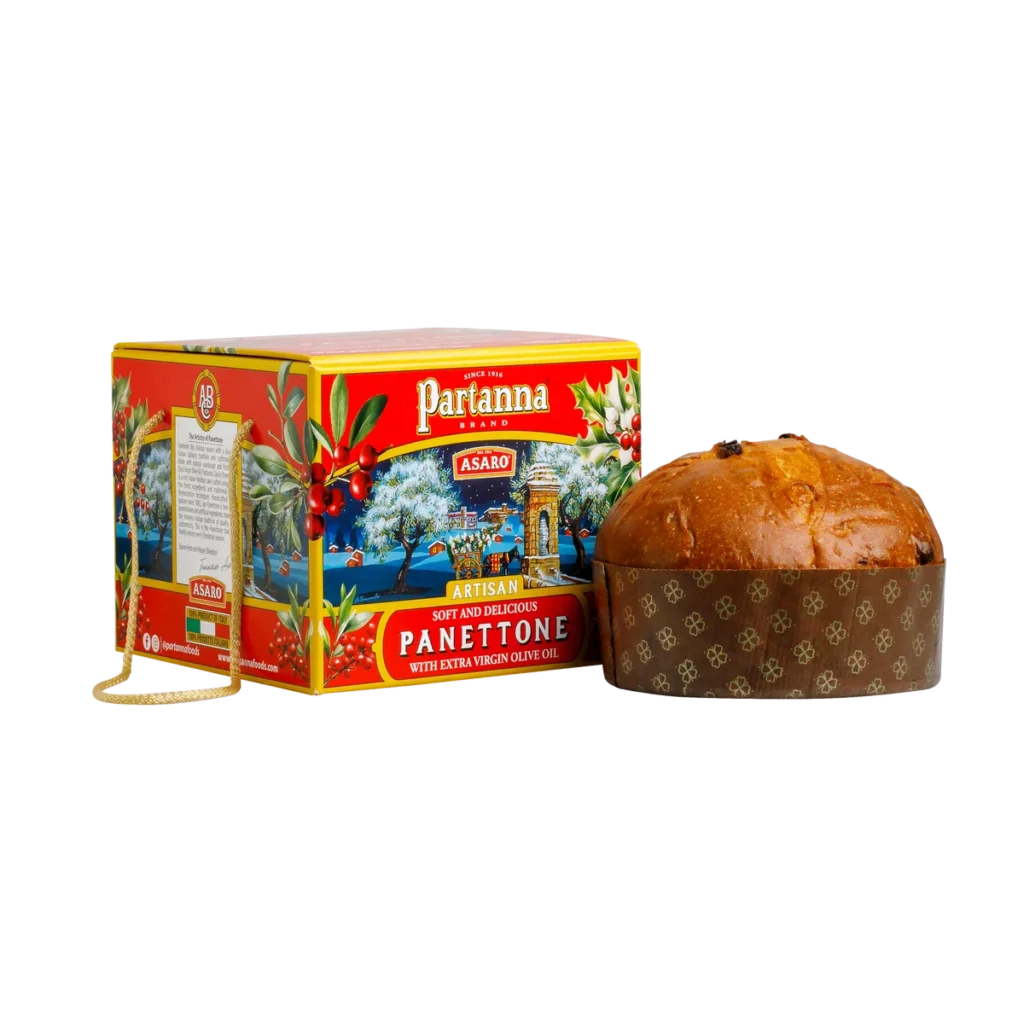
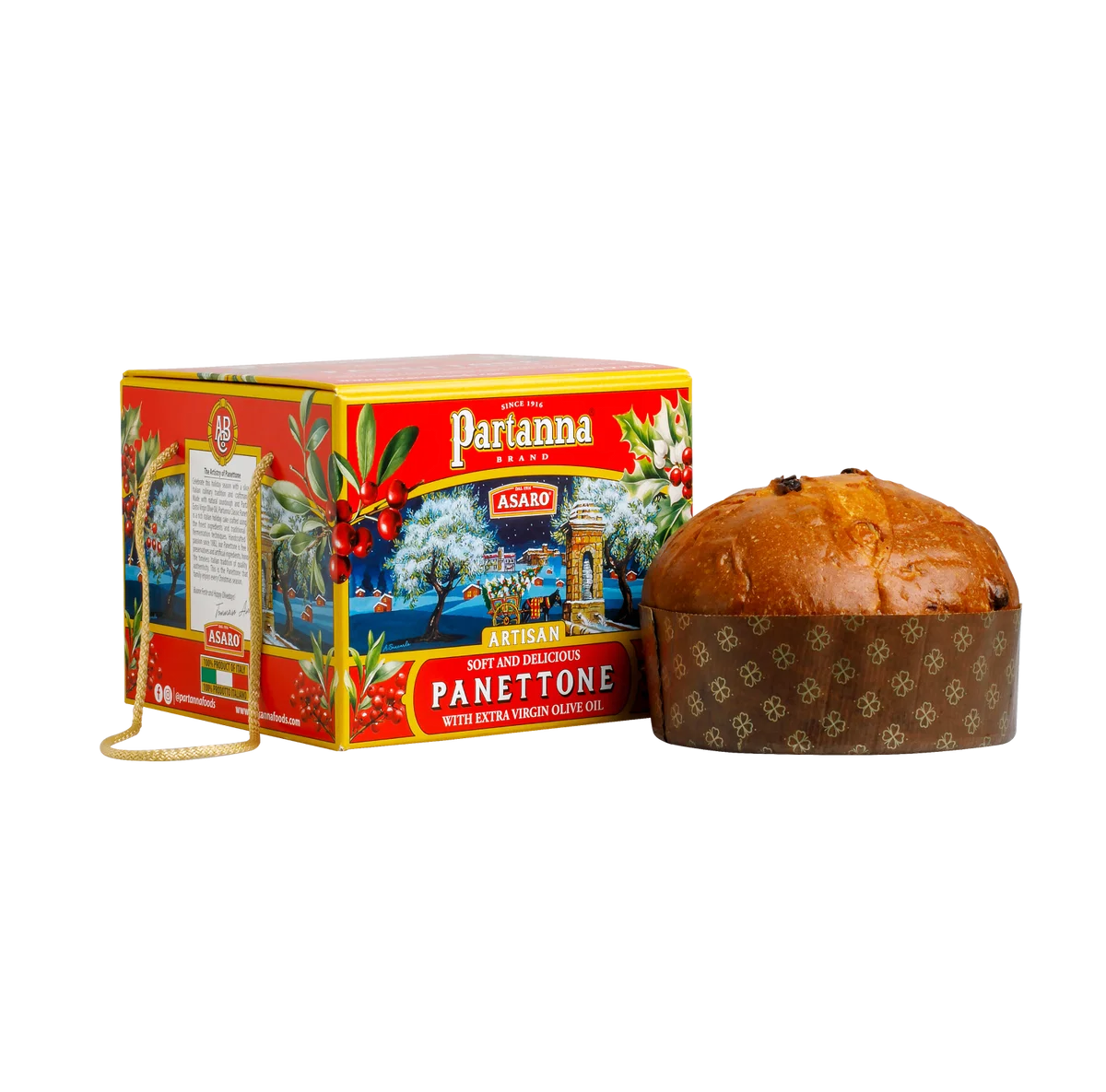
Yes, that Partanna. The Asaro family has been farming olives around the town of Partanna in southwest Sicily for more than 200 years, and pressing olive oil for over a century. Their limited-edition Artisan Panettone is made with Partanna Extra Virgin Olive Oil, pressed from the same Castelvetrano olives we wrote about in The Rising Trend of Castelvetrano Olives. Expect a soft, tender crumb with bright citrus notes. It’s a Sicilian take on a Milanese classic, and a real crowd-pleaser.
Melegatti: Where Pandoro Began
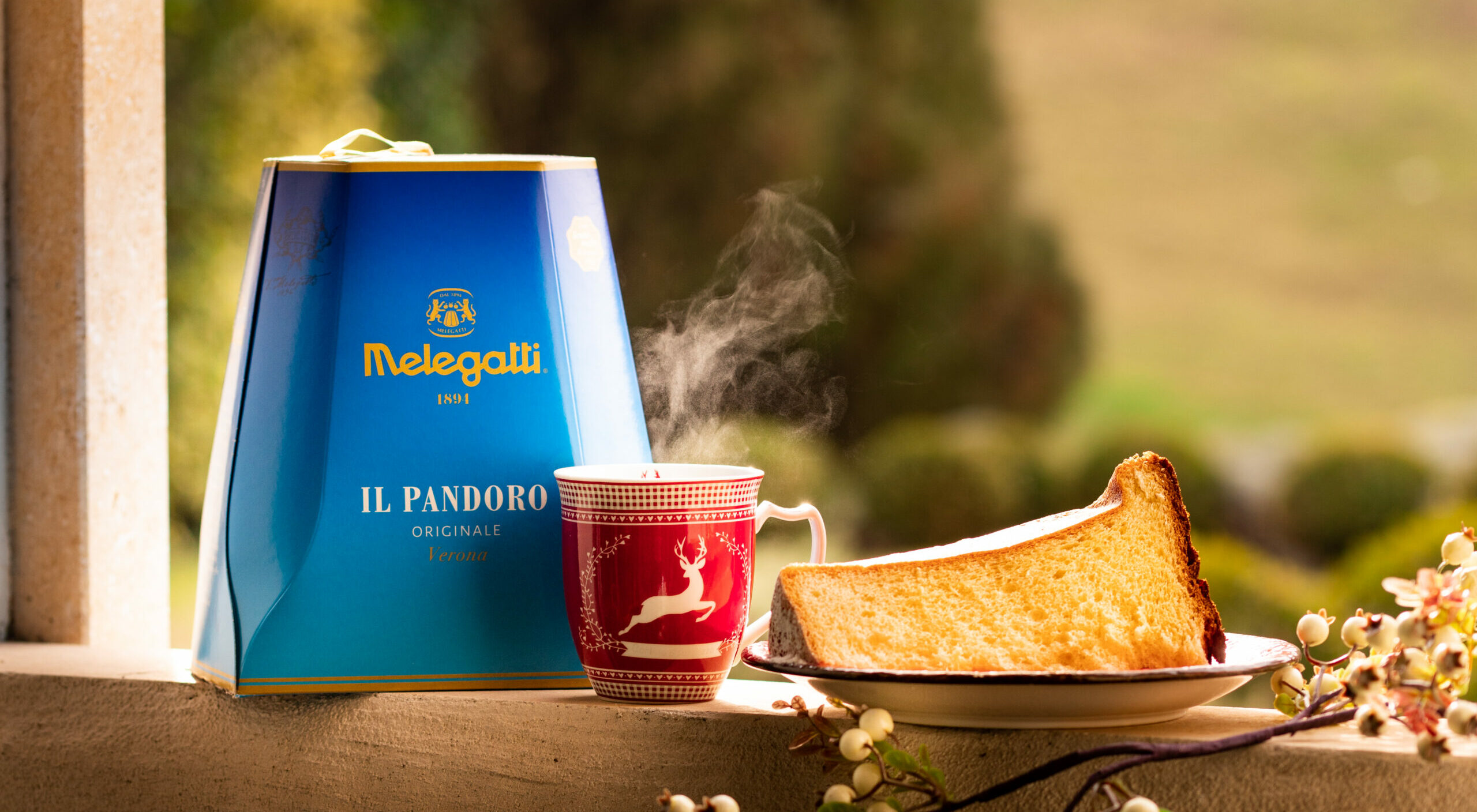
You can’t talk pandoro without the name that started it all- Domenico Melegatti’s 1894 star is the original, and the brand’s signature blue box has become one of the most recognizable sights of the Italian holiday season. For the full family history, revisit our earlier post, Meet Melegatti.
Paluani: Verona Since 1921
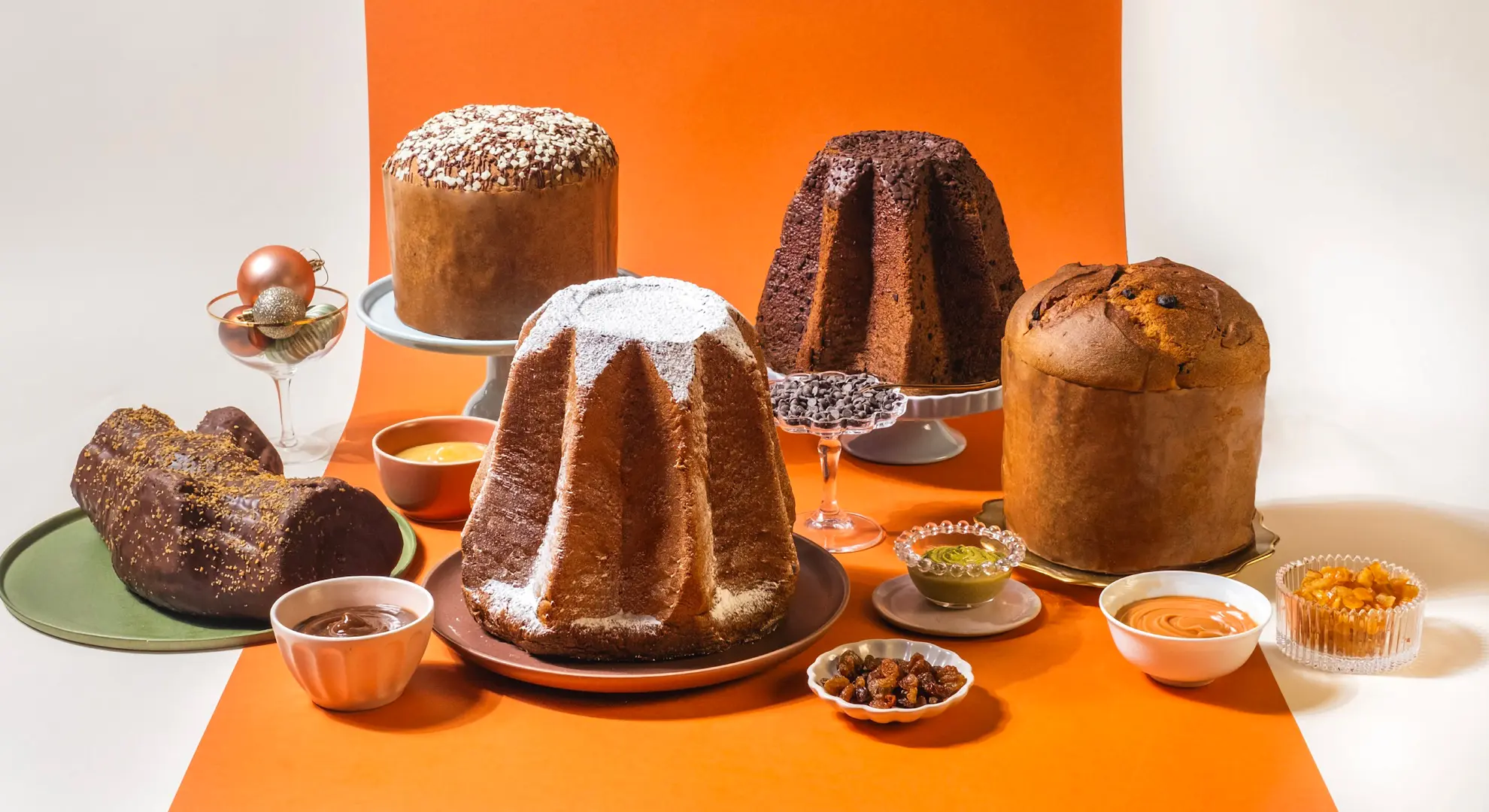
Paluani got its start in Verona in 1921 with pandoro, then grew into panettone and other holiday cakes. Today it bakes in Dossobuono, just outside the city, using a mother dough, slow leavening and what the company calls its “Metodo del Tempo Giusto” (the Right Time Method), built around giving each dough exactly the time it needs. A recent rebrand dressed the line in a warm orange, which stands out nicely on a shelf full of red and gold.
Balconi: Baking for Both Teams
Balconi started in 1953 as a small pastry shop on Milan’s Navigli canals and grew into one of Italy’s big names in sponge-cake snacks. Its holiday lineup plays for both teams, with classic panettone and pandoro, and its naturally leavened line is built on a sourdough starter the company says has been alive since 1896.
The Verdict? There’s Something for Everyone!
After 100 years in the imported food business, we’ve learned to make sure everyone gets something they love. Panettone or pandoro, Milan or Verona, raisins or no raisins: the right answer is whichever one ends up on your customer’s table this year (and, ideally, the other one next week).
Stock up before the holiday rush, and contact your Musco sales rep about our panettone and pandoro selection for the 2026 season.
Leave a Reply