
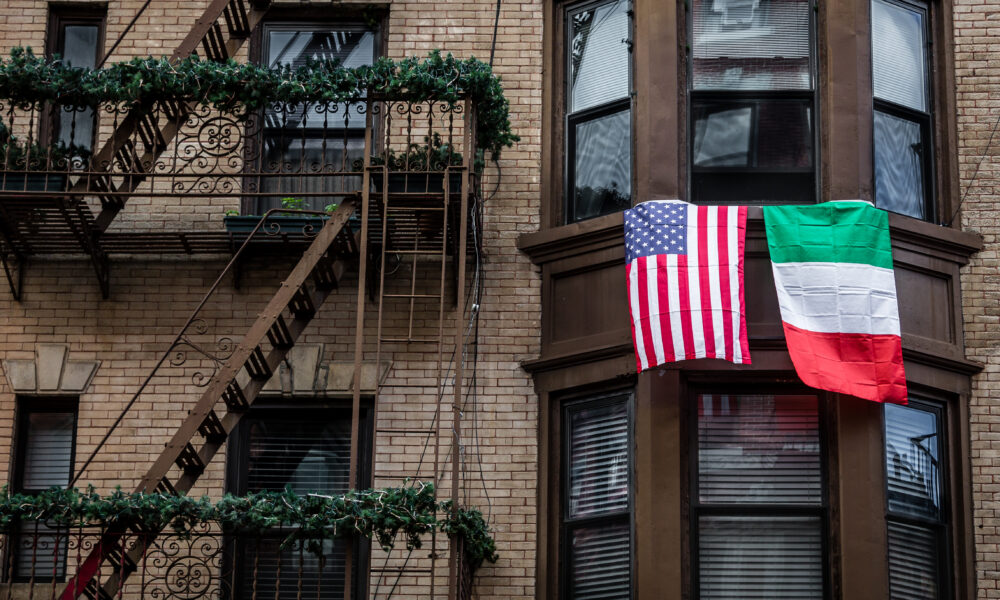
Every Italian American family has one: a pot that only comes out on Sundays, a recipe that has never once been written down, and at least one relative who will happily explain why you’re making it wrong.
October is Italian American Heritage Month, and for a company that started importing Italian cheese to New York in 1926, it feels a lot like a family reunion! The Italian American community was built by millions of immigrants who moved their lives and recipes across an ocean and then had to figure out how to stock the pantry once they landed.
How October Got Its Accent
Italian American Heritage Month became official in 1989, when Congress passed House Joint Resolution 392 and President George H.W. Bush proclaimed October “Italian American Heritage and Culture Month.” The proclamation was signed on October 12, and communities, schools, and (of course) kitchens have kept the party going every fall since.
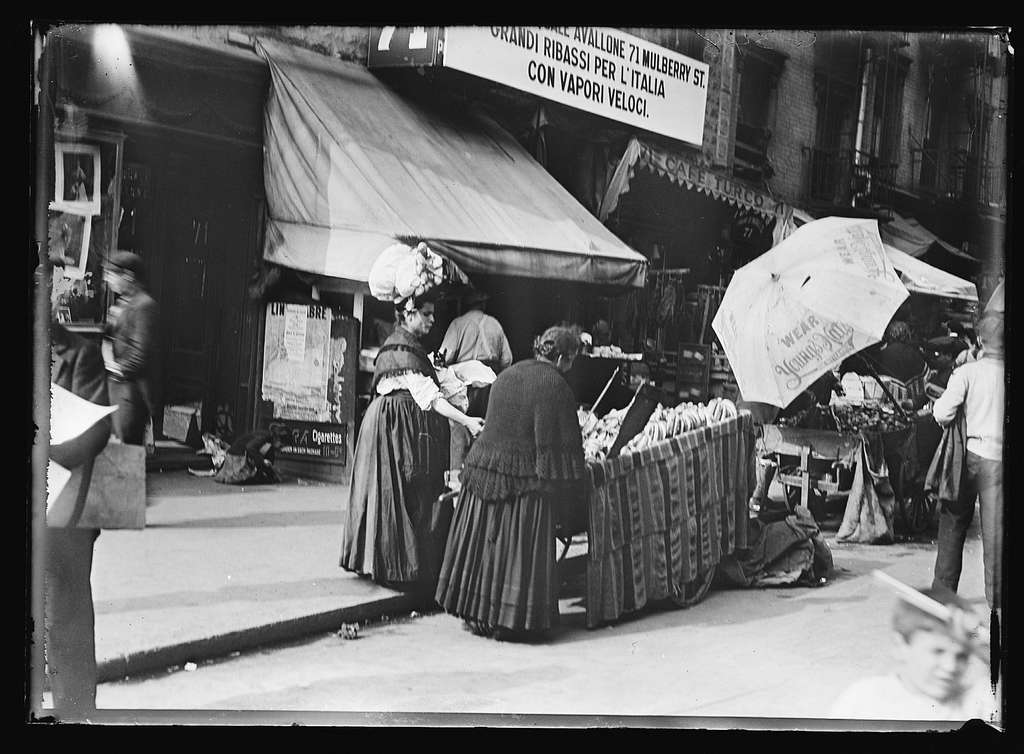
The people the month honors arrived in one of the great migrations of modern history. According to the Library of Congress, roughly 300,000 Italians came in the 1880s, 600,000 in the 1890s, and more than two million in the decade after that. By 1920, over 4 million had arrived, most of them farmers and laborers from the rural south of Italy and Sicily.
Here’s a detail we love: most of those immigrants didn’t step off the boat thinking of themselves as “Italian.” Italy had only unified in 1861, so newcomers identified as Neapolitans, Sicilians, or Calabrians, and they didn’t always understand each other’s dialects. The Italian American identity was built here in the US and it’s heartwarming to learn that they unified in a new country.
The Pantry That Crossed an Ocean
Here’s the twist most people don’t expect: a lot of what we now call Italian American food started as a celebration of plenty. In her book Hungering for America, historian Hasia Diner describes southern Italian peasants living with the constant threat of hunger, with meat and cheese reserved for feast days, if they showed up at all. In America, steady wages put meat, white bread, cheese, and coffee within reach, and immigrants turned the food of holidays and of the wealthy back home into everyday cooking.
That abundance shows up all over the menu. Meatballs grew bigger, sauces got meatier, and Sunday dinner turned into a mini holiday with how much was being put on the dining table. But plenty only goes so far when you’re homesick- immigrants still wanted the flavors of the old country, and an entire import trade grew up to bring them over: olive oil, dried pasta, canned tomatoes, anchovies, and above all, cheese. Italian grocers and importers in Little Italys across the country kept those shelves stocked.
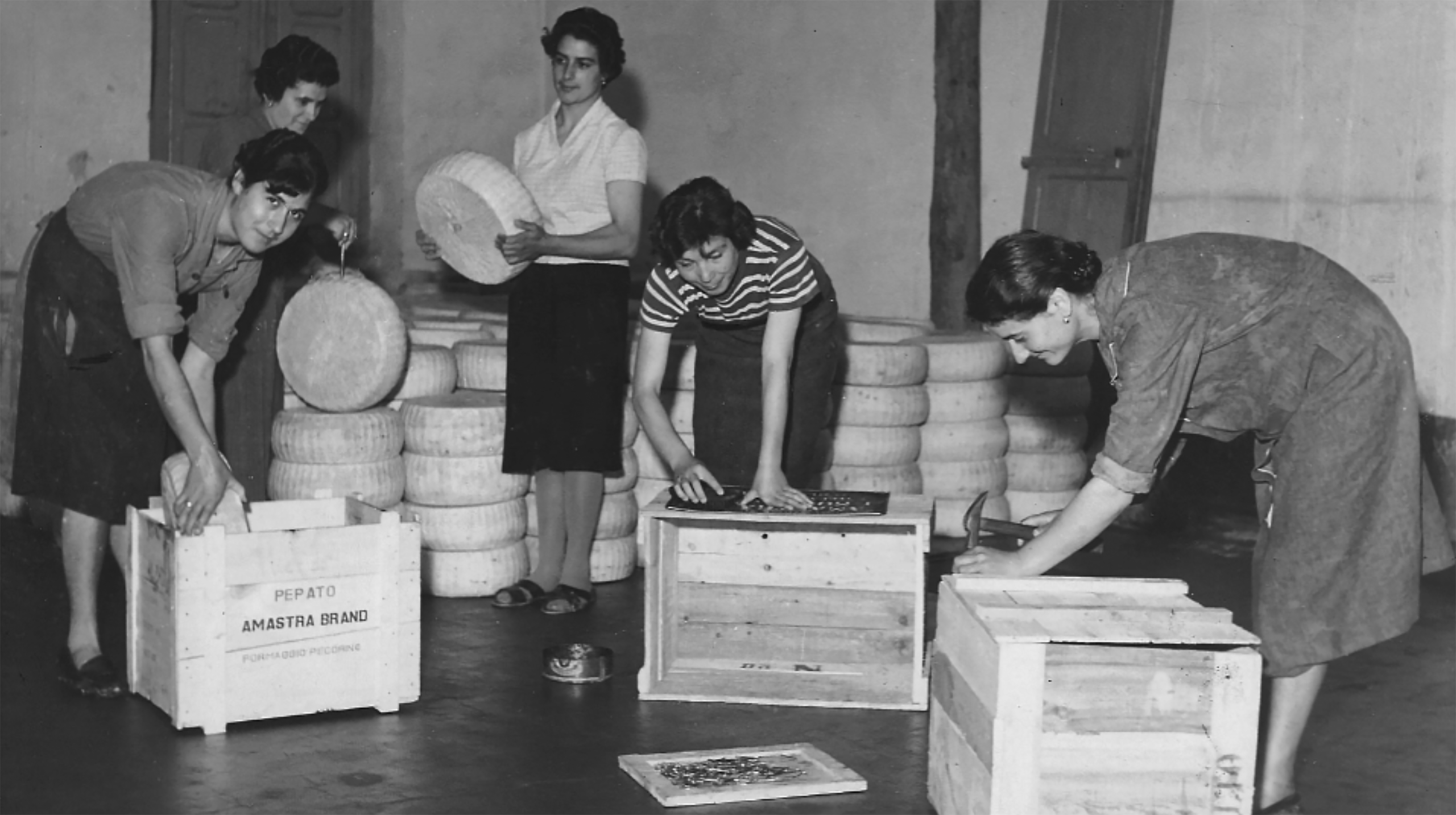 Pecorino Romano is the perfect example. By the end of the 1800s, demand from Italian immigrants abroad had helped make it one of Italy’s most exported cheeses. When Rome’s mayor banned salting pecorino inside the city in 1884, producers shifted to Sardinia, which still makes most of it today. (So yes, your nonna’s heavy hand with the grater has been moving the Sardinian economy for well over a century.)
Not Quite Italian, Not Quite American, Absolutely Delicious
Put abundance, homesickness, and American ingredients in the same kitchen and you get a cuisine that is its own thing born on this side of the Atlantic. Here are just a few of them:
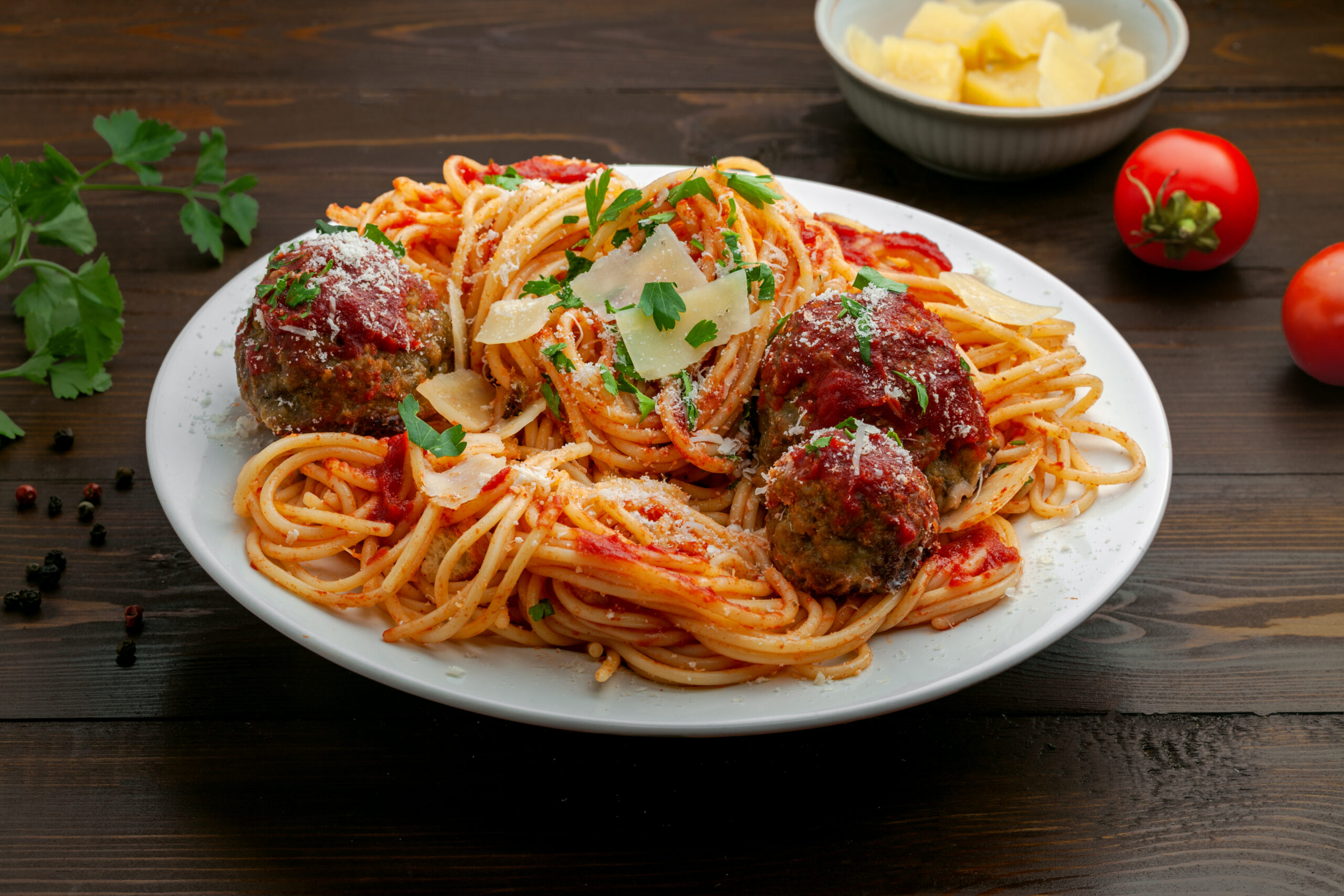
- Spaghetti and meatballs. In Italy, polpette usually arrive on their own as a second course. Piling them onto a mountain of spaghetti under a blanket of red sauce is pure Italian American decadence, and it became the cuisine’s unofficial ambassador.
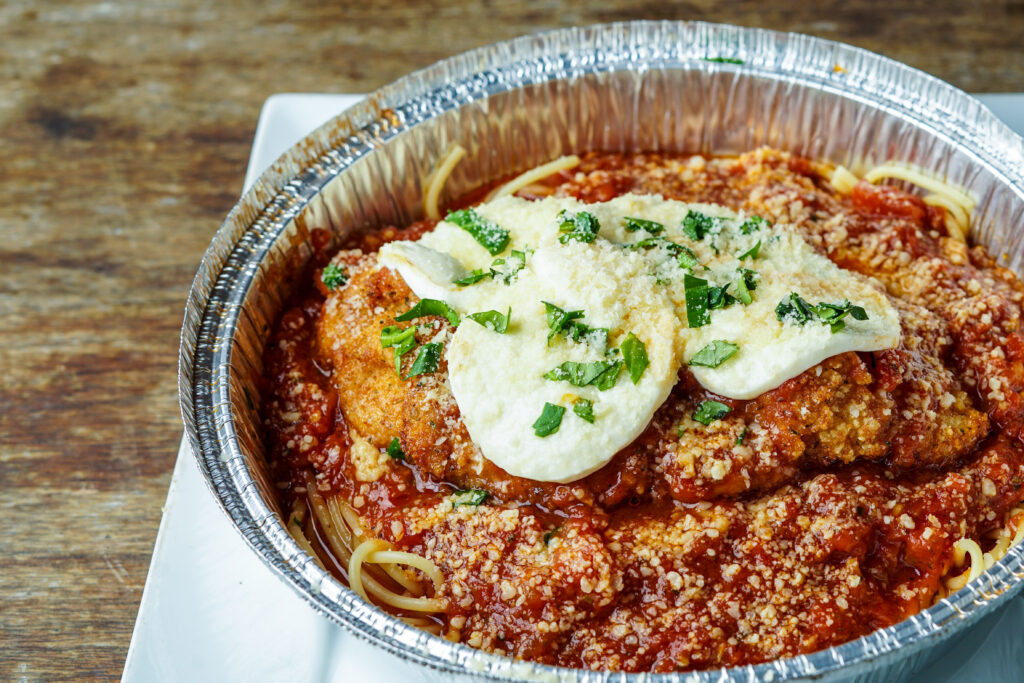
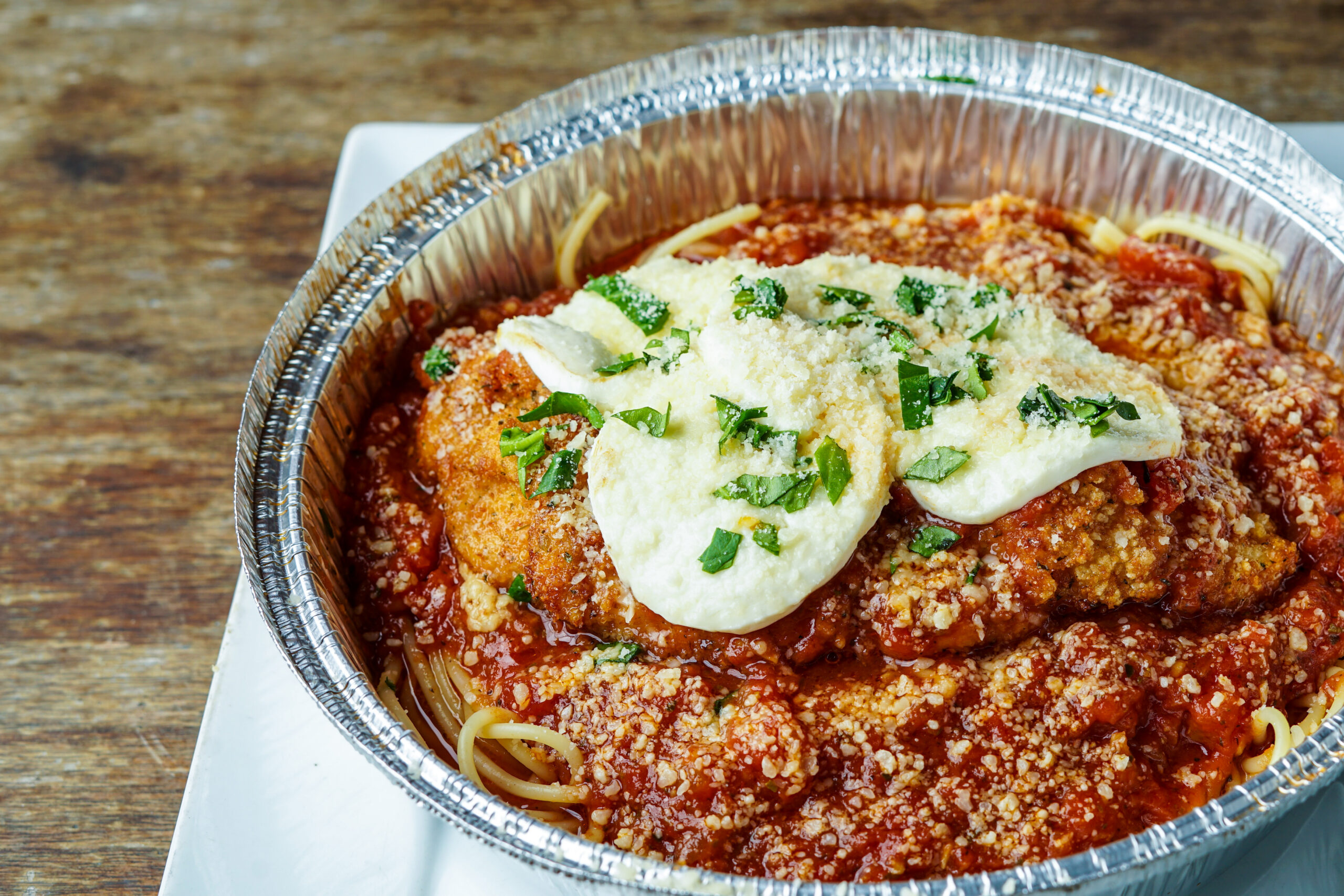
- Chicken parm. Its ancestor is melanzane alla parmigiana, the southern Italian eggplant bake. Once meat got affordable, immigrant cooks in the Northeast swapped in breaded veal and then chicken, and by the 1950s it was a red sauce restaurant staple.
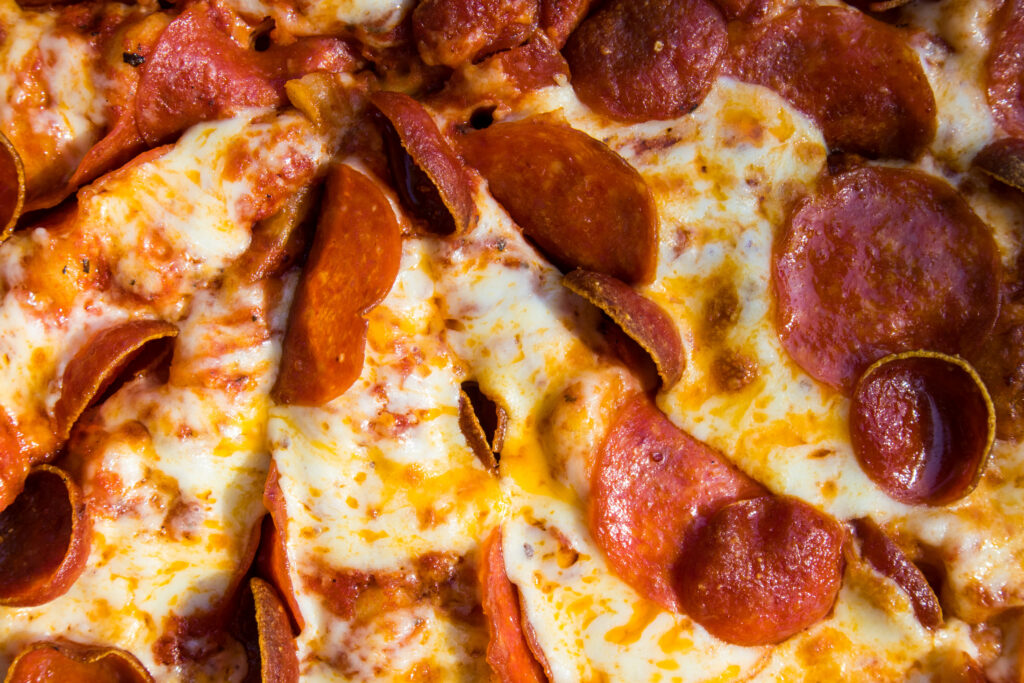
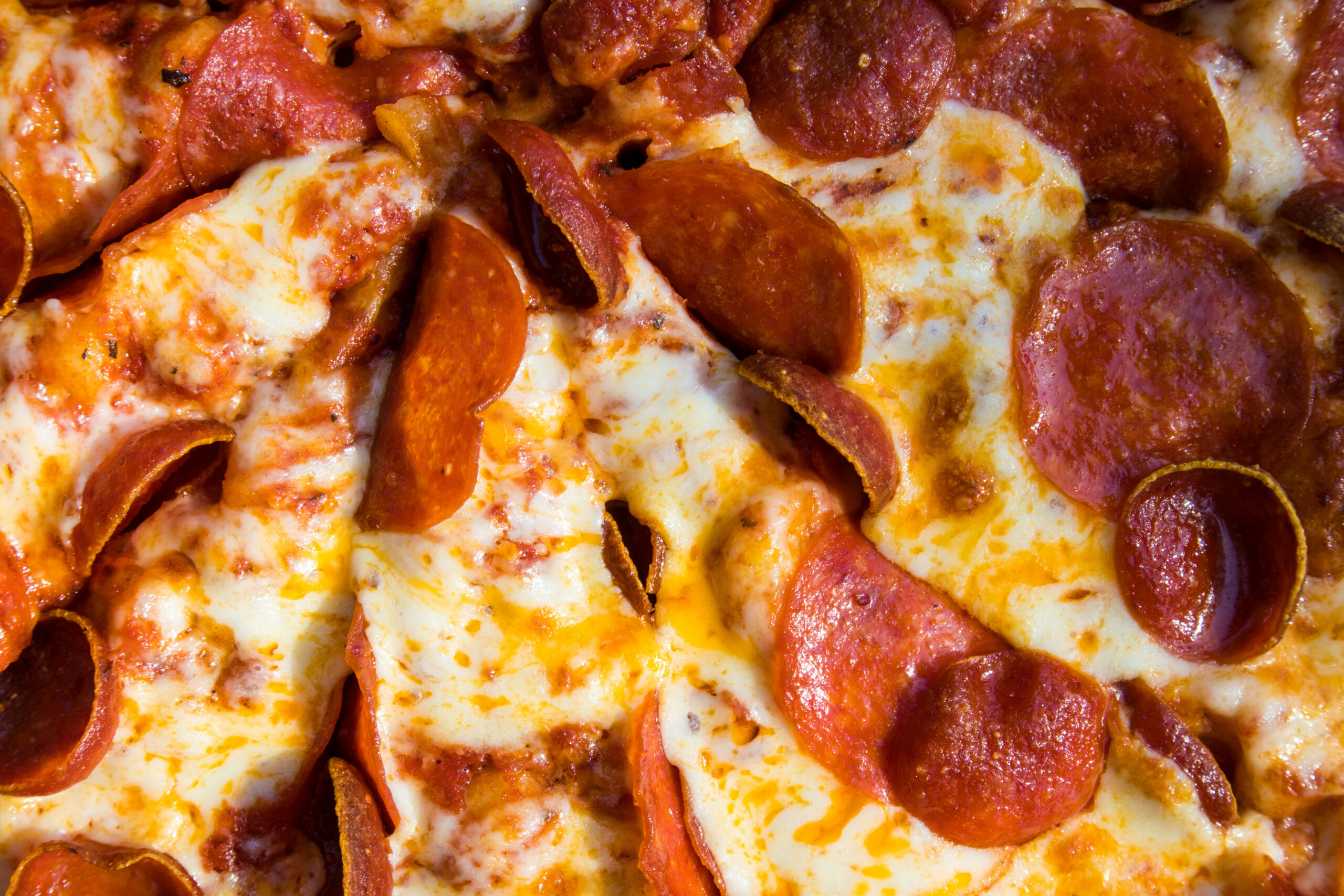
- Pepperoni. America’s favorite pizza topping was born in Italian American butcher shops in the early 1900s, and food historian John Mariani dates its first appearance in print to 1919. Ask for “peperoni” in Italy and you’ll get bell peppers. The closest local cousin is a spicy salame piccante from Calabria.
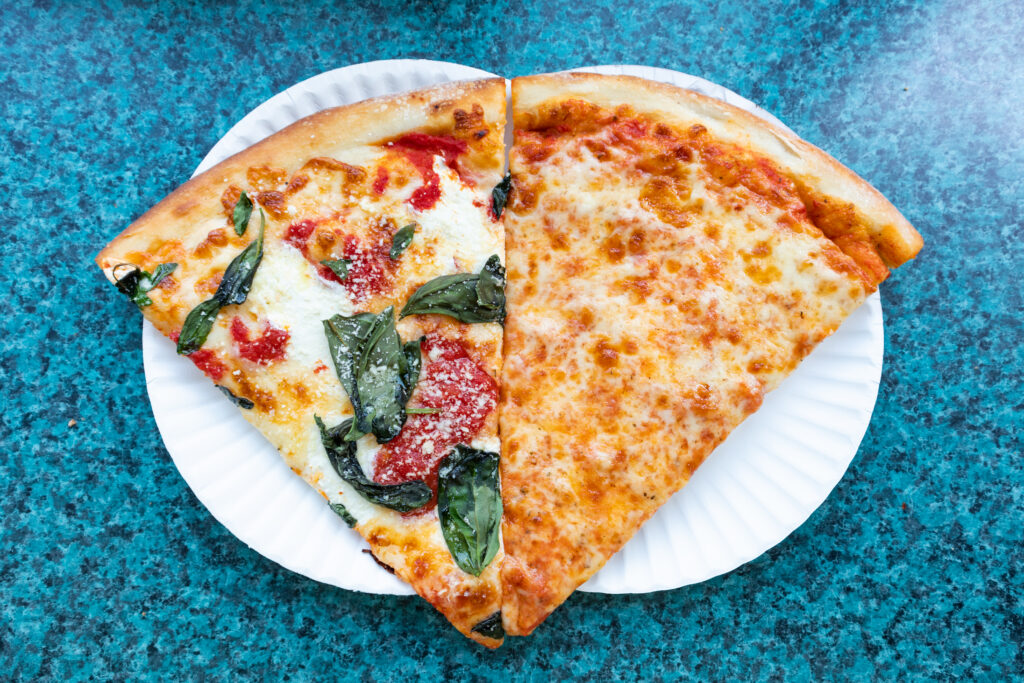
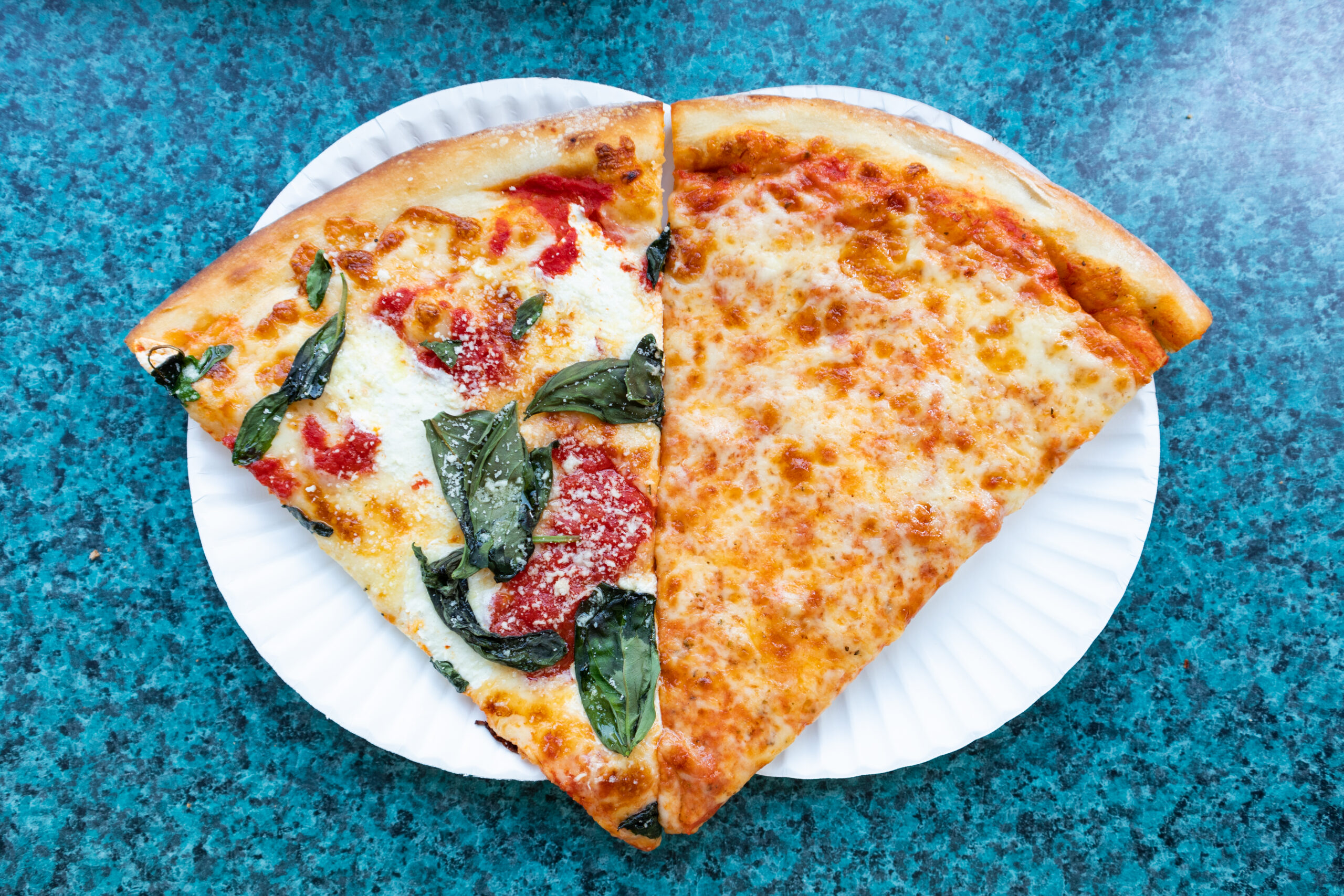
- New York pizza. Lombardi’s on Spring Street has long been billed as America’s first pizzeria, dating to 1905. Pizza researcher Peter Regas has since found city directories listing a pizzeria on Mulberry Street as early as 1894. Either way, the American slice was born in Little Italy, and we’re not about to pick a side in a pizza fight.
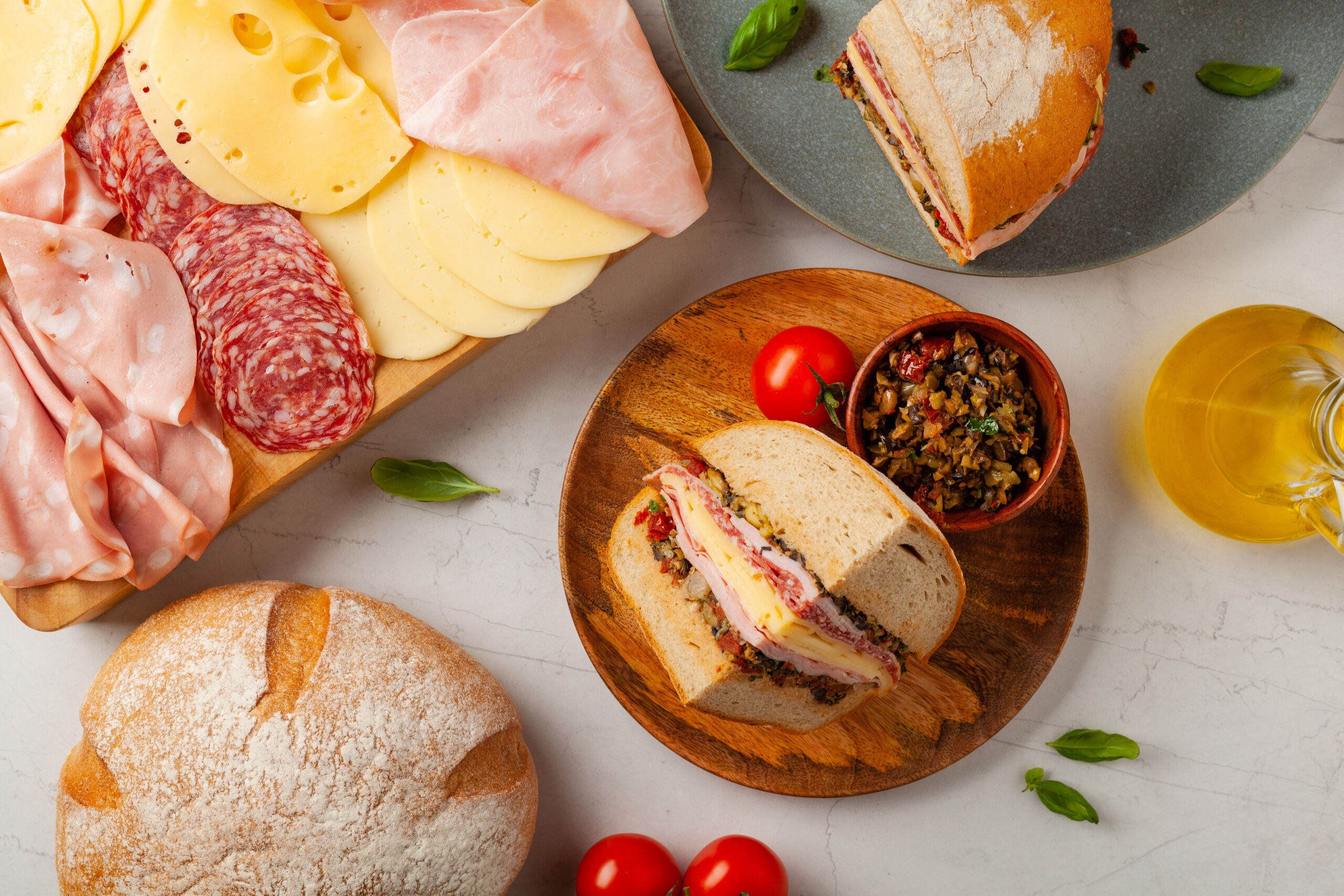
- The muffuletta. In 1906, Sicilian immigrant Salvatore Lupo of Central Grocery in New Orleans is credited with stuffing the cured meats, cheese, and olives his customers were eating separately into a round loaf of Sicilian sesame bread. Sandwich history has never been the same. (Running a deli? Our Sandwich Guide has a few more ideas.)
New Slang in a New Generation
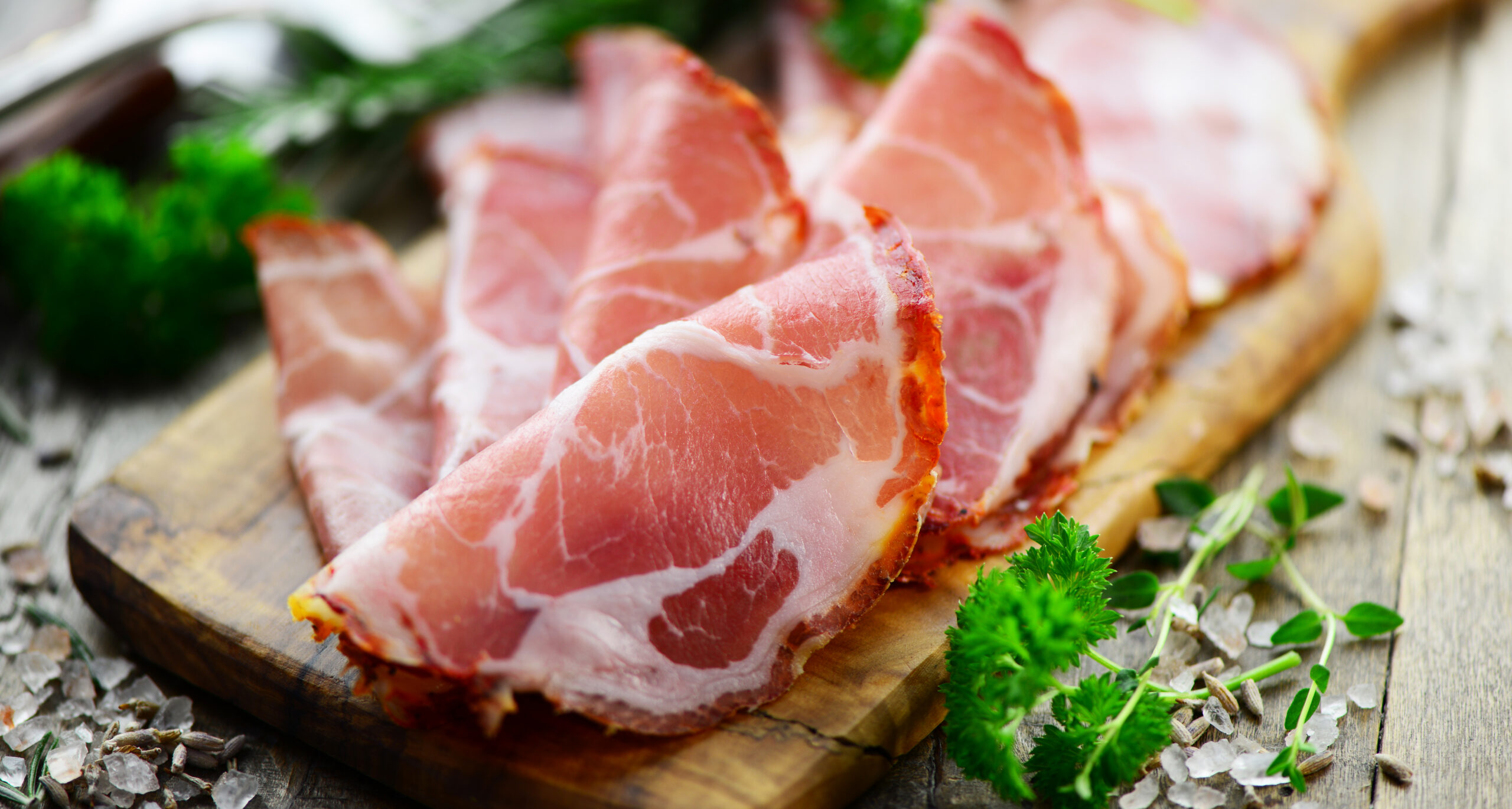
Listen to an Italian American family at the deli counter and you’ll hear “gabagool” for capicola, “mootzarell” for mozzarella, “rigott” for ricotta, and “pasta fazool” for pasta e fagioli. These aren’t mispronunciations- linguists trace them to the southern dialects, especially Neapolitan, that most immigrants spoke before standard Italian took hold back home. Final vowels get dropped, and hard “c” and “p” sounds slide into “g” and “b,” which makes the deli line a relatively entertaining wait.
(One popular theory even credits the same habit for turning “bologna” into “baloney.”)
A Hundred Years at the Table
Remember those importers keeping the Little Italy shelves stocked? This is where we come in.
Our story starts in Sicily in the 1890s, where Filippo Musco & Sons bought cheeses from local farmers, aged and cured them, and sold them across Italy. In the 1920s, part of the family crossed the Atlantic, and Musco & Company was officially founded in 1926 to import Italian cheeses and specialty foods. (Yes, the same year as the first Feast of San Gennaro.)
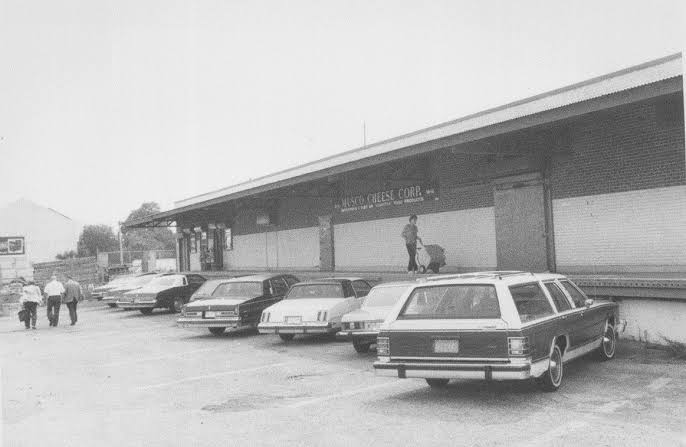
Through the 1940s and 1950s, a booming Italian American community kept the Musco company growing, and a warehouse in lower Manhattan started supplying the delis and mom-and-pop shops that fed the neighborhood. In the 1970s, Phil Musco and his brother Joe stepped into the family business and moved the warehouse to Maspeth, Queens, where we still are today. Later on, we retired our historic Amastra label and launched Vantia, a private label built on high-quality Italian cheese and salumi that became a household name across the Northeast.
The portfolio has grown well beyond Italy since then, but the job hasn’t really changed in a century: make sure the people cooking these traditions can always get the real thing. Every wheel of cheese we import and every case that leaves our Maspeth warehouse carries a little of that 1926 storefront with it.
Here’s to the Next Hundred
There’s an old Italian toast, cent’anni, that wishes you a hundred years of life. As you may or may not know, we just hit ours; so, whether you call it sauce or gravy, say “gabagool” or “capicola,” or measure your garlic until it looks right, raise a glass with us to the immigrants who built this cuisine and the kitchens that keep it going.
Cent’anni, and buon appetito!
Leave a Reply